Small Business

Webinar: The Business Case for High-Performing Buildings v2.0

Now more than ever, commercial real estate brokers have many reasons to pay attention to green building practices. From new technology and regulations, to corporate responsibility and sustainability programs driving demand for more efficient spaces and buildings that achieve designations such as LEED or ENERGY STAR, green is more than just a trend in commercial

Webinar: The Business Case for High-Performing Buildings v2.0 Read More »

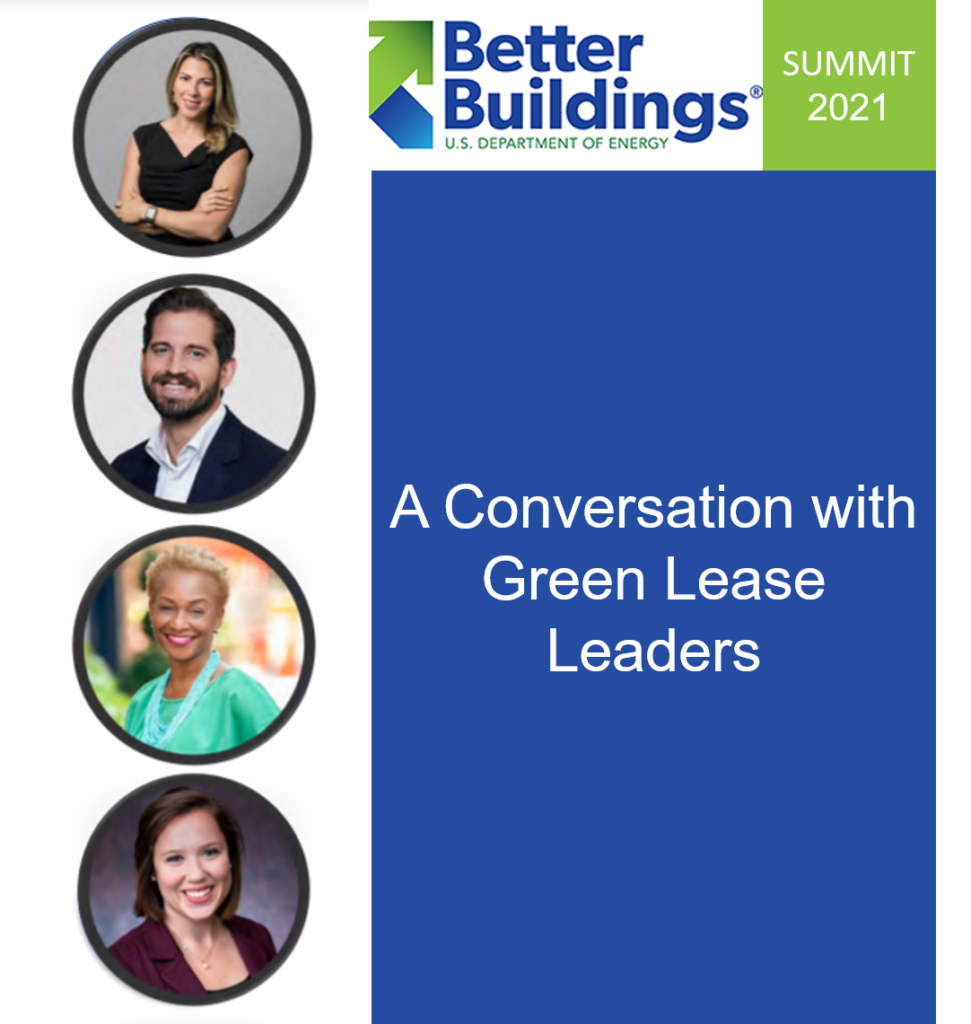
Webinar: A Conversation with Green Lease Leaders

This webinar from the Better Buildings Alliance explores how green leasing offers a competitive advantage for multiple sectors, helping buildings be more flexible, save money, and reduce climate and health risks.  Hosted by Hannah Debelius with the U.S. Department of Energy, this webinar gathers industry experts Audi Banny from Institute for Market Transformation, Sam Stockdale

Webinar: A Conversation with Green Lease Leaders Read More »

Unlocking Hidden Value in Class B/C Office Buildings

This resource shows how improving the energy efficiency of Class B and C office buildings is doable with relatively simple, lower-cost measures that not only enhance building performance, but boost property values and make the buildings more competitive. Information, resources, and funding constraints often hold back these types of buildings from implementing impactful energy-efficiency projects

Unlocking Hidden Value in Class B/C Office Buildings Read More »

Reference Guide for Tenants

Green leasing can produce financial and sustainability gains as well as achieve a fundamental shift in what buildings can achieve for occupants and communities. Green leasing practices allow tenants and landlords to collaborate and save energy, reduce costs and achieve organizational sustainability goals.  Developed by the U.S. Department of Energy, this document that provides guidance

Reference Guide for Tenants Read More »

Reference Guide for Landlords

Green leasing can produce financial and sustainability gains as well as achieve a fundamental shift in what buildings can achieve for occupants and communities. Green leasing practices allow tenants and landlords to collaborate and save energy, reduce costs and achieve organizational sustainability goals.  Developed by the U.S. Department of Energy, IMT and Berkeley Lab, this

Reference Guide for Landlords Read More »

Measuring the Potential Impact of Green Leases in the U.S. Office Sector

Most office buildings in the United States are not energy efficient, leaving both landlords and tenants with unnecessary energy expenses. Through an analysis of current energy efficiency measures facilitated by the signing of green (or energy- aligned) leases, this 2015 study estimates that green leases have the potential to reduce energy consumption in office buildings

Measuring the Potential Impact of Green Leases in the U.S. Office Sector Read More »

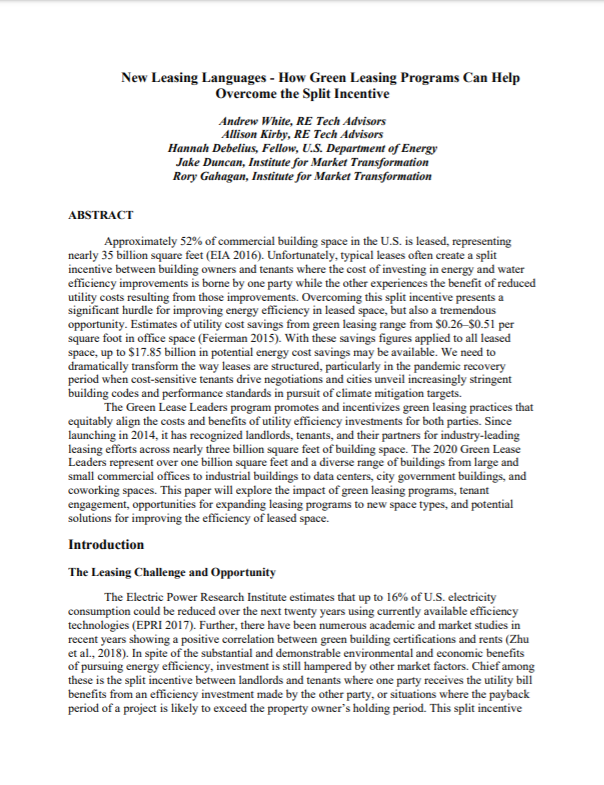
New Leasing Languages: How Green Leasing Programs Can Help Overcome the Split Incentive

Typical leases often create a split incentive between the building owners and tenants where the cost of investing in energy and water efficiency improvements is assumed by one party while the other experiences the benefit of reduced utility costs resulting from those improvements. This resource outlines research on the benefits of incorporating energy efficient language

New Leasing Languages: How Green Leasing Programs Can Help Overcome the Split Incentive Read More »

Green Lease Language Examples

This resource, created by the Institute for Market Transformation and Landlord-Tenant Energy Partnership, outlines lease language to support tenants and landlords as they draft energy-aligned leases.  From passthrough clauses designed to eliminate the split-incentive, to directives on the most environmentally efficient paints and cleaning products, the lease language allows any landlord or tenant to structure

Green Lease Language Examples Read More »

Why traditional leases don’t measure up and what we need instead

As demand for climate action soars, more businesses and local governments are realizing that buildings are a huge contributor to carbon emissions, particularly in cities. To address this, local governments are increasingly turning to building performance standards, such as New York’s Local Law 97, to meet their climate commitments by reducing building energy use and associated carbon

Why traditional leases don’t measure up and what we need instead Read More »

Green Lease Leaders